Customizable Teacher Canva Frames: Your Classroom Creativity Toolkit
There’s a unique kind of pressure that comes with creating classroom materials. You want them to be engaging, visually appealing, and consistent, but the reality is that time is a resource teachers simply don’t have in abundance. This is where a smart design asset like Customizable Teacher Canva Frames steps in, not as another complicated software to learn, but as a streamlined solution for busy educators. These templates are built for Canva, a platform many are already familiar with, making the jump from idea to finished product feel less like a leap and more like a simple step.
What Exactly Are These Digital Frames?
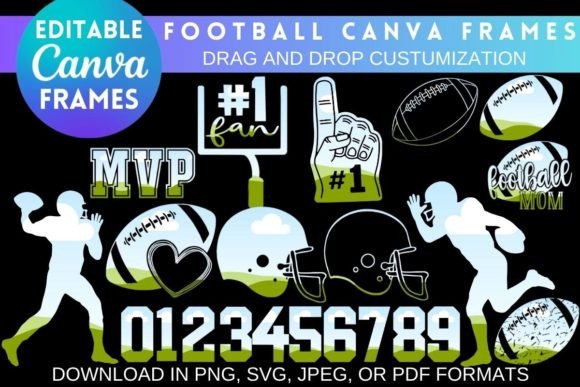
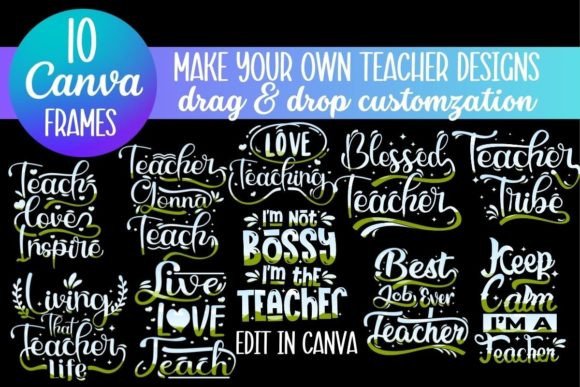
At their core, Customizable Teacher Canva Frames are a collection of 29 pre-designed, drag-and-drop templates accessed through a single PDF link. Think of them as a digital scrapbook kit for your professional life. The visual style leans towards a clean, modern aesthetic that feels fresh without being distracting. The frames themselves offer variety—some are simple geometric borders, others might incorporate subtle thematic elements like pencils or apples, and a few likely offer more ornate options for special certificates or awards. The personality is friendly and approachable, designed to complement student work rather than overshadow it. This isn't a heavy, serif font dominating a page; it's a versatile framework that lets your content and your students' achievements shine.
The appeal lies in its practicality. Created at 1800 x 1800 pixels and 300 dpi, the quality is crisp for both digital displays and printed materials. You’re not just buying static images; you’re buying an editable system. The included freebie clipart and digital papers are a thoughtful bonus, giving you immediate assets to start customizing without hunting for additional resources. It’s a toolkit that acknowledges the real-world constraints of a teacher's schedule and budget.
From Classroom Walls to Digital Halls: Where These Frames Excel
The true strength of this design asset is its range. Within the educational sphere, the applications are immediate and numerous. Imagine creating a cohesive set of classroom labels, name tags, and bulletin board headers that all share a unified look. Use them to design eye-catching worksheets where instructions are neatly framed, or craft personalized awards and certificates that feel special and official. For digital learning environments, these frames can structure slides in a presentation, create engaging graphics for a class website or blog, or design social media posts for a school or PTA account, ensuring brand consistency across platforms.
But the utility extends beyond the classroom door. A small business owner could use these templates to frame product images for an Etsy shop, creating a consistent brand identity. A blogger might use them to highlight quotes or call-to-action boxes within articles. For marketers, they offer a quick way to produce branded social media graphics without starting from a blank canvas each time. The key is that the frames provide structure and professionalism, which is a universal need in visual communication. They act as a reliable component in your broader design system, helping to establish visual hierarchy and guide the viewer's eye exactly where you want it.
Practical Guidance for Getting the Most Out of Your Frames
Before you dive in, a moment of consideration will save you time later. First, assess the personality of the frames against your project’s tone. A playful, rounded frame might be perfect for an elementary school newsletter but could feel out of place in a corporate training manual. Match the style to your audience. Next, think about font pairing. The frames themselves are visual containers, so the typography you place inside them is critical. A clean sans serif font often works well for readability within a busy frame, while a simple script or handwritten font can add a personal touch for certificates. Avoid overly decorative display fonts that might compete with the frame's design.
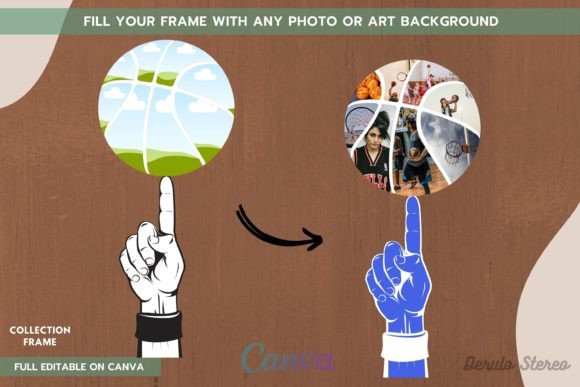
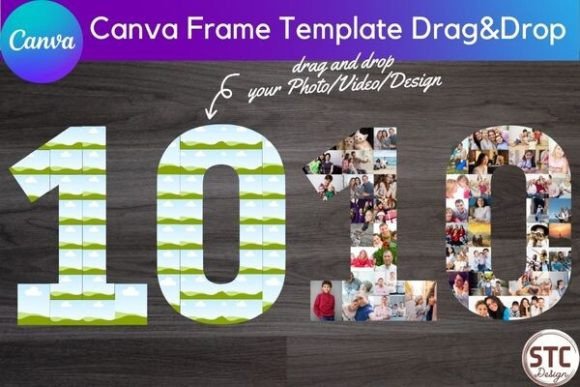
Test the practicalities. The process is designed to be straightforward: after purchase, you access the Canva template via a PDF link. You must have a Canva account, but a free one will suffice for most editing and downloading as a JPG or PNG with a background. However, if you need a transparent PNG of your frame design alone—say, to layer it over a complex background in another program—a Canva PRO account is necessary. Remember, students and teachers with a .edu email can often access PRO features for free, which is worth investigating. When you resize the frames, maintain the aspect ratio to avoid distortion. Use the drag-and-drop functionality to upload your own images or the provided clipart directly into the template. The simplicity is the point; it’s meant to remove technical barriers.
Finally, consider the long-term value. These frames are a commercial font asset in the sense that they are a design tool you can use repeatedly for personal and commercial projects. While you shouldn’t redistribute the editable Canva template link itself, the designs you create with it are yours to use. Build a library of framed resources for your classroom or business. The initial investment pays off in the consistency and professionalism it brings to your communications, saving you countless hours of design work down the line. It’s a practical step towards more effective and engaging visual content.